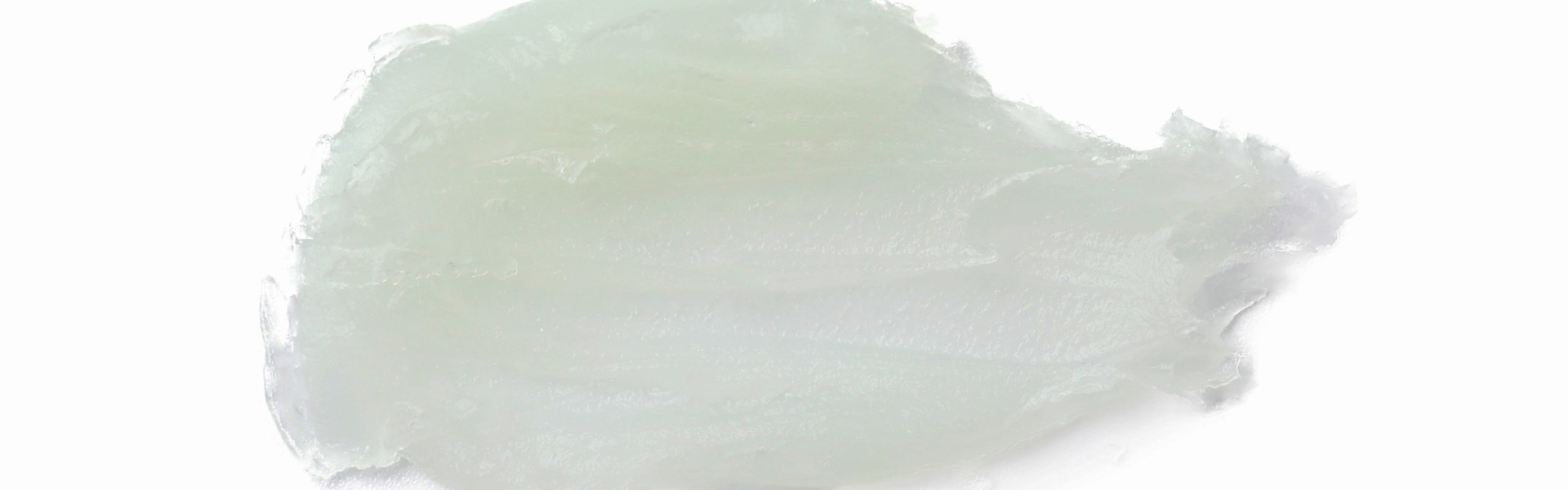
Petroleum Jelly vs Vaseline
Petroleum jellywas discovered in 1859 by oil miners to treat injuries and burns.Vaselinebecame America's firstpetroleum jellybrand in 1870 and set quality standards that still prevail.
The main difference betweenregular petroleum jellyandVaselineis how they are manufactured. Regular petroleum jelly contains a mix of hydrocarbons in a semi-solid form, while Vaseline undergoes three purification steps to remove impurities, making it safe for sensitive skin.
Pure petroleum jellyblends microcrystalline wax with soothing minerals. This forms a protective barrier approved by the FDA as a skin protectant. Manufacturing standards have improved significantly, and modern processes focus on the product's purity and consistency.
This article examines the key differences between basic petroleum jelly and Vaseline, examining their chemical makeup, composition, and uses across different industries.
Understanding Petroleum Jelly
Core Components
Petroleum jelly, also known aspetrolatumormineral jelly, is a complex mix of hydrocarbons derived from petroleum (crude oil) through refining processes, specifically dewaxing paraffinic residual oil. The mixture primarily consists of crystalline and liquid components with carbon numbers above C25. This semi-solid, jelly-like substance behaves like a solid but has the adaptive properties of a liquid.
Chemical Structure and Properties
The molecular makeup shows a special blend ofparaffins. High molecular weight paraffins constitute 7-13%, medium-chain paraffins 30-45%, and smaller paraffin molecules 48-60%. Petroleum jelly has a 20.9% solid fat content at room temperature and melts between 40-70°C. Its hydrocarbon mix determines this.
Pure petroleum jelly has a remarkably stable chemical composition that resists oxidation and chemical reagents. The substance dissolves easily in dichloromethane, chloroform, benzene, and turpentine. However, it cannot dissolve in water, making it an effective moisture barrier.
Source
Petroleum jelly is derived from petroleum residual oil concentrates, such as paraffinic heavy oil. It is a byproduct of crude oil, not directly extracted from oil wells. Specifically, the heavy, waxy residue left over from refined crude oil is the source of petroleum jelly. The highest quality components come from waxes and mineral oils that retain their microcrystalline wax content, leading to better oil retention. This "natural petroleum" shows minimal oil separation over time.
Manufacturing Process
The manufacturing process involves purifying and refining the crude oil residue to make a safe and usable product - petroleum jelly. The process can vary slightly depending on the producer and the desired grade of the final product
Here are the key phases:
Step 1: Solvent Extraction
This process involves:
- Oil is removed from the waxy residue through a solvent extraction process to achieve petroleum jelly's desired purity and consistency.
- Mixing the residue with a solvent such as butane, propane, or pentane dissolves the oil, leaving the wax intact.
- Cooling the mixture so the wax crystallises and separates from the oil-solvent mixture.
- Recovering the solvent from the oil-solvent mix so it can be reused.
Step 2: Wax Purification
This process involves:
- Removing the odour and impurities from the wax
- This is commonly done through hydrotreating - treating the wax with hydrogen at high temperature and pressure, using a catalyst
- This process removes impurities and toxins. This improves the stability, colour and safety of the final product.
Step 3: Filtration
This process involves:
- Further purification through filtration may be required to remove residual colour and impurities
Step 4: Blending
- Different blends and quantities of oil and wax may be added to achieve the desired consistency and properties of the final product.
- Antioxidants or UV absorbers may also be added at this stage to improve stability and shelf life.
The manufacturing approach determines whether the product is categorised as industrial, medical, or cosmetic grade. Each grade must meet its specific quality standards and regulations. Medical and cosmetic grades require extra purification to meet strict safety requirements.
Vaseline Brand: Manufacturing Excellence
Vaseline is distinct because of its patented triple-purification process, which sets industry standards in petroleum jelly manufacturing. The brand's excellence began in 1865 with the patenting of this unique purification method.
Triple-Purification Method
The unique triple-purification process includes three critical stages:
- Distillation: Removes impurities and standardises consistency
- Deaeration: Eliminates air bubbles for uniform texture
- Filtration: Removes all contaminants
The result of this thorough process:
- Every jar meets strict purity standards that exceed FDA requirements.
- The final product's anhydrous nature prevents the growth of bacteria over time.
- The triple-purified formula is even gentler on the skin than water.
Quality Testing Standards
Quality assurance follows strict testing protocols:
- Purity Analysis
- Evaluating polycyclic aromatic hydrocarbons (PAHS)
- Screening for heavy metals
- Testing for microbial contamination
- Physical Property Tests
- Verifying the melting point
- Measuring viscosity
- Assessing colour and odour
Manufacturing facilities follow current Good Manufacturing Practices (CGMP) per FDA regulations. These facilities are subject to regular surprise FDA inspections and customer audits, which usually involve a group of inspectors making two-day on-site visits.
The quality control process involves:
- Batch testing for consistency
- A complete documented review
- Regular facility audits
Each production batch must meet strict parameters:
- Drop melting point: 52-62°C
- Congealing point: 49-59°C
- Acid number: maximum 0.10 mg KOH/g
Vaseline's signature blue seal appears on the finished product to certify its triple-purification status. This seal showcases a 150-year legacy of superior quality standards in skincare products.
Product Quality Comparison
Laboratory analysis reveals distinct differences between standard petroleum jelly and Vaseline. Tests highlight several differences in the production and performance of these products
Purity Level Analysis
Standard petroleum jelly reveals different levels of refinement depending on the manufacturer. A product's whiteness indicates complete purification and better quality. Vaseline's triple-purified formula guarantees a 100% contaminant-free product.
Consistency Tests
Product performance shows measurable differences in texture analysis between Vaseline and standard petroleum jelly.
Storage Stability
Product longevity depends on storage conditions.
Both products last long when stored properly, but Vaseline's triple-purification process creates better stability.
Storage conditions impact the product's efficacy. Best storage conditions include:
- Maintaining an optimal room temperature
- Avoiding direct sunlight
- Ensuring containers are tightly sealed
Industrial Applications and Standards
Regulatory standards set precise requirements for petroleum jelly used in medical and cosmetic applications. These regulations ensure products are safe and effective for their intended use.
Medical Grade Requirements
Medical- grade petroleum jelly must meet strict pharmaceutical standards. The United States Pharmacopoeia (USP) sets specific purity levels that align with British Pharmacopoeia (BP) and European Pharmacopoeia (EP) guidelines. The FDA classifies petroleum jelly as an over-the-counter skin protectant drug with a petroleum concentration between 50% and 100%.
Medical formulations must:
- Undergo complete refinement and sterilisation
- Possess hypoallergenic properties
- Be free of polycyclic aromatic hydrocarbons (PAHS)
- Compliant with current Good Manufacturing Practices (CGMP)
The FDA requires medical-grade petroleum jelly producers to follow CGMP guidelines. These include product registration and regular inspections. Medical uses include wound care, surgical procedures, and treatments.
Cosmetic Grade Specifications
Cosmetic-grade petroleum jelly follows its quality standards, which include:
Physical Properties:
- Kinematic viscosity at 100°C: 6-8 cSt
- Congealing point: 54-58°C
- Penetration consistency: 140-160 (0.1 mm)
- Colour (Lovibond): Maximum 0.7 Y
The European Union's Regulation (EC) No 1223/2009 limits PAH content in cosmetics to 0.005%. Cosmetic-grade petroleum jelly must be:
- Odourless
- Free from acidity or alkalinity
- Consistent in texture and appearance
Quality control standards focus on:
- Batch testing protocols
- Documentation requirements
- Regular facility audits
The pharmaceutical sector dominates market applications, with cosmetics following closely behind. North America holds a significant market share because of its many pharmaceutical and cosmetic manufacturing facilities. The European market shows innovation in cosmetic product development, which drives the region's petroleum jelly demand.
Wrapping Up
Petroleum jelly and Vaseline differ in manufacturing processes, quality standards, and use. Regular petroleum jelly contains hydrocarbon mixtures with different purity levels. Vaseline uses a patented triple-purification process that delivers consistent quality and better performance.
Lab tests show distinct variations between these products. Medical-grade products must meet strict pharmaceutical standards, including USP compliance and FDA registration. Cosmetic-grade products are also regulated.
Vaseline's triple-purification method is what makes it stand out in manufacturing. This process sets new standards through distillation, deaeration, and complete filtration. The refined approach improves stability and gives a consistent texture. It also performs reliably in both medical and cosmetic uses.