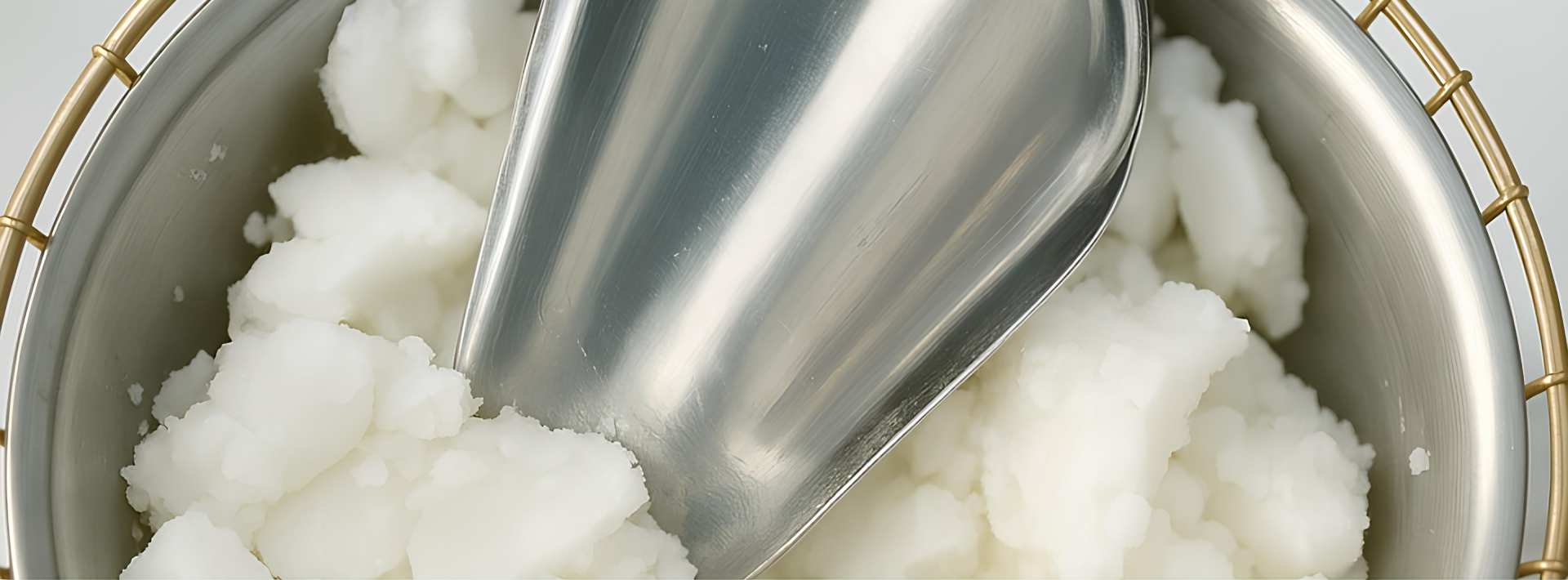
Paraffin Wax: properties and applications
Among all types of waxesParaffinstands out as one of the most versatile options. The petroleum and coal or oil shale derivative serves numerous industries by fulfilling their production requirements starting from cosmetics all the way to manufacturing.
Americans commonly useparaffin waxin scented candles because it provides them with an even and unspoiled burning experience. The application scope of this wax extends well past its common usage in candles. Warm spa treatments incorporateparaffin waxfor skin nourishment because the material provides effective hydration giving dry and rough skin a soft and smooth texture.
Its versatility extends into multiple uses including its presence in lubricants along with polishes and crayons demonstrating its broad applicability. It is worth noting that one of the key competitors in the market ofparaffin waxissoy wax. But what makes these two types of wax so similar, and what are the main differences? Which one is more cost-effective, and what are their chemical building blocks?
This article examines the practicality ofparaffin waxusage while exploring its advantages and industrial applications and its ratio againstsoy waxas well as its free choice status for both manufacturing and personal applications.
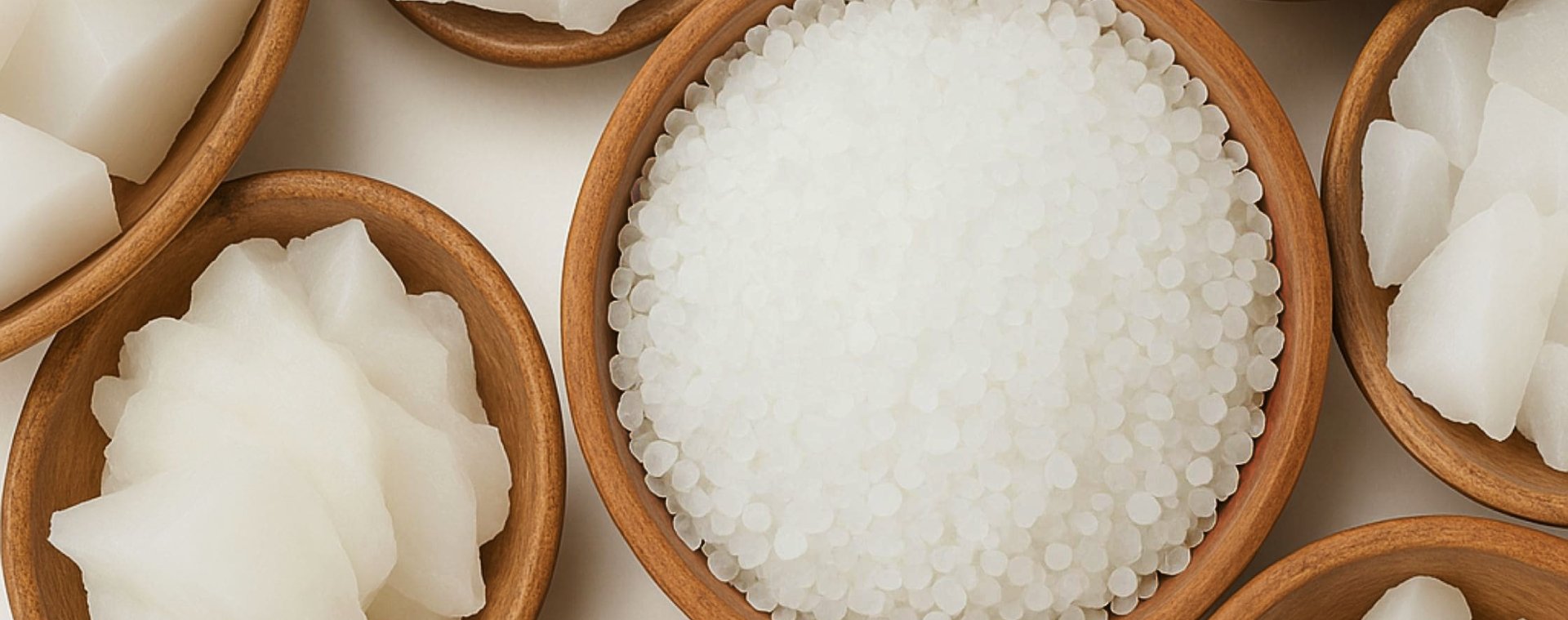
What is Paraffin Wax?
The solid substance known asparaffin waxderives from petroleum refining processes where it appears colorless or white. This wax offers stability and nonreactive characteristics which enable its broad usage throughout various industries such ascandle productionandpackagingtogether withcosmetics.
A hydrocarbon makes up the base composition ofparaffin waxwith the chemical makeup CnH2n+2. The "n" value in the chemical notation signifies the carbon atom count that controls both texture and the final product consistency.
Through this compositionparaffin waxreceives its distinctive waxy texture and achieves excellent performance in applications requiring high purity standards.Themelting pointof this substance ranges between 46°C to 68°C.
The thermal adaptability of this mineral wax makes it suitable for precise applications in the manufacturing field including coating production as well as mold identification products and therapeutic paraffin soaking solutions.
Standard applications benefit from rigid performance with clean burns because of the straightforward structure that makes paraffin less flexible thanmicrocrystalline wax. Current industrial practices useparaffin waxacross multiple applications because this material stands as a dependable option for diverse workplace needs.
Paraffin Wax vs. Soy Wax
Soy and paraffinoften represent a challenging choice because their advantages bring unique benefits to the table. The decision betweenparaffin and soy waxdemands careful consideration because they differ in beneficial ways.
The petroleum-derived paraffin stands as an opposition to the renewablesoy waxsource that stems from soybean oil which breaks down easily. Sustainability stands strongest withsoy waxas its main benefit.Paraffin waxburns for longer periods and releases stronger fragrances into the space giving it an advantage oversoy waxfor enhancing the aroma in large rooms.
Eco-conscious buyers will benefit fromsoy waxbecause it generates fewer pollutants which results in cleaner flame compared to other wax types. Let's break down the main key differences between the two material:
- Origin: Paraffin (petroleum-based) Soy (plant-based)
- Burn time: Longer for paraffin
- Soot production: lower in soy wax, making it a cleaner option
- Fragrance Throw: Stronger in paraffin wax
People who want longer burn time combined with potent scent should consider usingparaffin candles.Soy waxstands ahead of paraffin when you wish to protect the environment while maintaining fresh air.
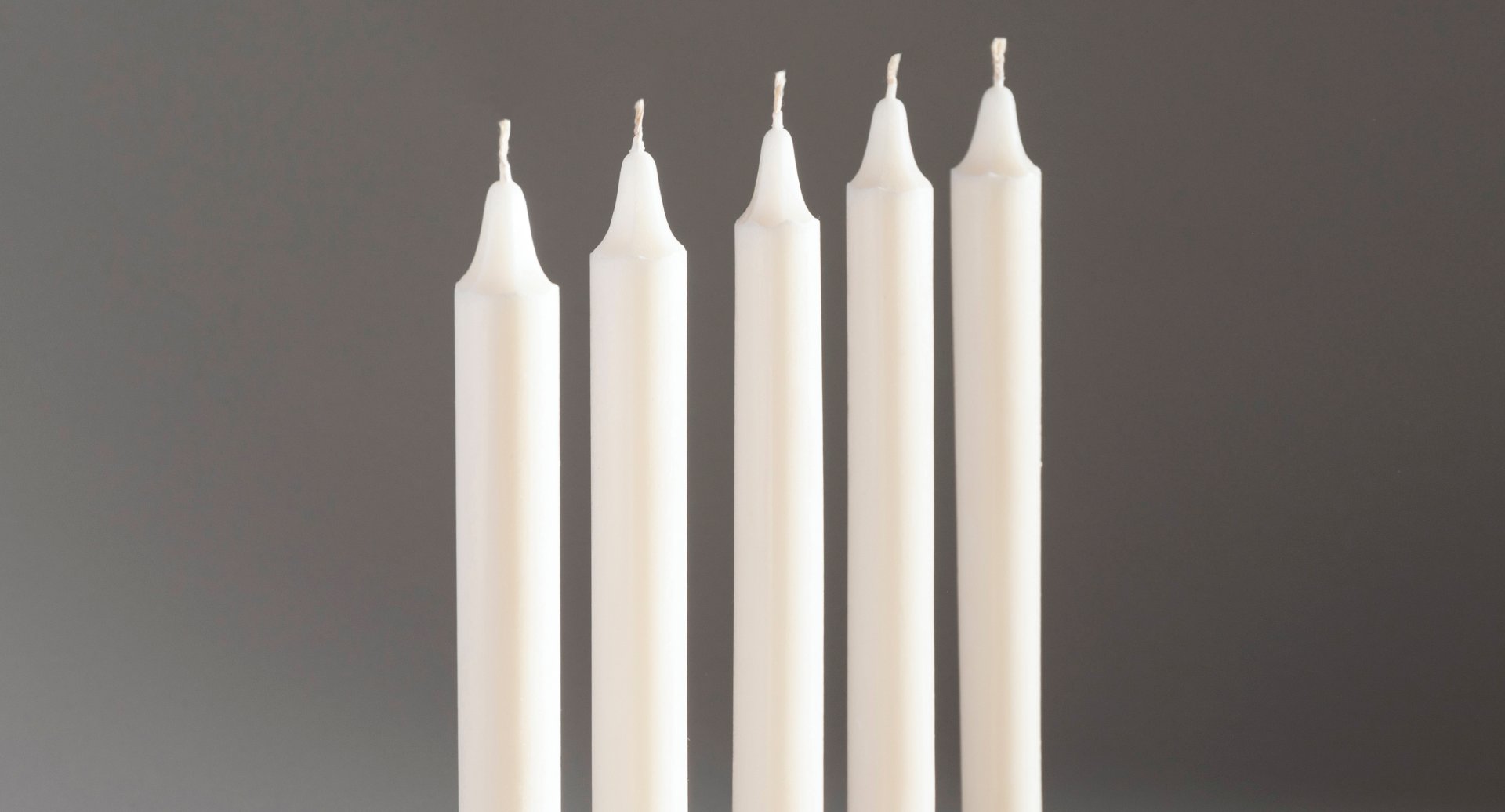
Paraffin Wax for Candle Making
Since ancient times paraffin remains one of the most preferred materials for candle creators. The product supports a uniform flame distribution which produces candles of dependable quality at each lighting.
One of its biggest advantages?Paraffin waxmaintains color and fragrance very effectively. This characteristic helps this type of wax become a preferred choice for both individual candlemakers as well as commercial manufacturers who seek vibrant scented products with extended longevity.
Cost is another major factor. Organizations that manufacture many candles should opt forparaffin waxbecause its low cost makes it a better option than natural alternatives. The utility of this wax material extends to its ability to assume any desired format whether traditional pillar candles or unique decorative formations. Paraffin serves as a solid affordable base to make cost-effective or luxurious smelling candles that look attractive and burn efficiently.
Applications in beauty and wellness
Most people considerparaffin waxan essential component of beauty treatments because it successfully restores skin moisture and makes it supple. People can experience instant hydration through paraffin use regardless of spa or home environments as it creates a smooth and soft skin texture.
Approximately 210 million people enjoyparaffin waxbaths as their chosen therapy during professional spa visits. These softening agents enhance blood circulation and offer relaxation benefits which make them a luxury component of self-care activities.
Paraffin also provides various benefits which extend beyond its cosmetic applications. Users benefit fromparaffin waxthrough its therapeutic healing aspects that especially help individuals dealing with arthritis or joint-related pain conditions.
Health benefits include improved blood flow and relaxed stiff muscles while providing soothing comfort to patients through pain management methods. In the beauty and wellness world professionals valueparaffin waxbecause it provides skincare benefits along with relaxation effects and offers therapeutic relief.